
(Industry Insight)Have you ever had that frustrating moment: your experimental procedures are perfectly standard, but your data fluctuates repeatedly—even ruining days of work?
The answer may lie in one of the most common devices in the lab: the glass draft shield on high-precision electronic balances.
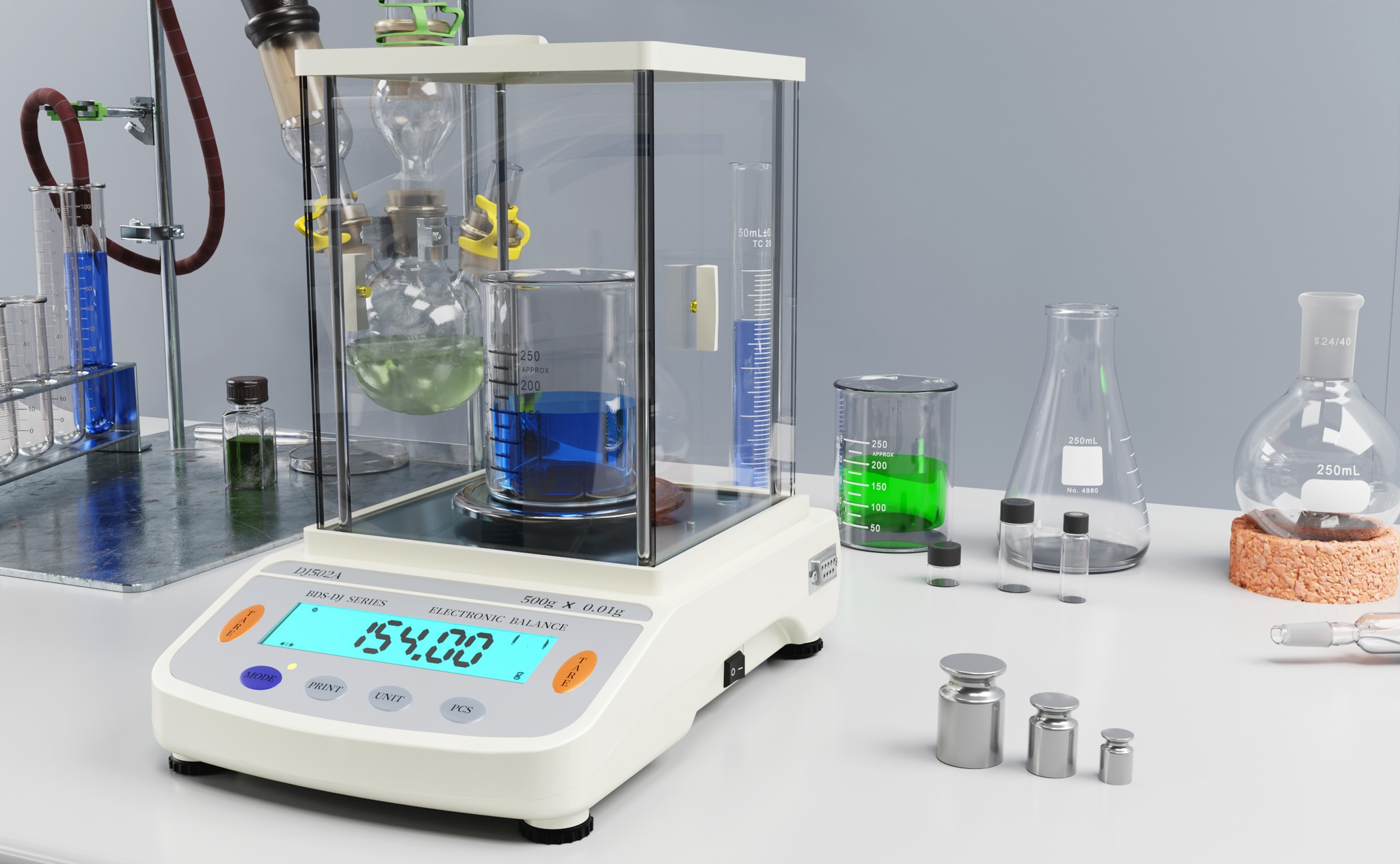
“Last week, when doing quantitative analysis of pharmaceutical ingredients, I forgot to close the glass shield. A light breeze from the window caused a 0.2g deviation in 3 parallel experiments, which completely invalidated three days of work,” a researcher at a biopharmaceutical lab shared this “pain point,” which resonates with many lab professionals.
This seemingly “unremarkable” glass cover on the balance is the key to solving such problems:
- Block air disturbance: Even a slight airflow from a researcher’s hand can cause “fluctuations” in 0.001g-precision weighing data. The glass shield acts as a “windless stable chamber” for the balance;
- Slow sample loss: Hygroscopic chemical reagents or volatile samples can lose tiny amounts of mass in 10 minutes in an open environment. The glass shield reduces the sample’s contact with air;
- Prevent dust contamination: Fine particles floating in the lab may attach to the sample and cause “false high” results. The glass shield is a natural dust barrier.
“Now our lab’s ‘iron rule’ is: close the shield before using the balance. This small habit saves us at least 50% of rework time,” the researcher added.
In fact, beyond scientific research, this “transparent cover” has long been a “standard equipment” for ensuring data accuracy in food testing, chemical quality control, material R&D and other scenarios—after all, the rigor of experiments always lies in these easily overlooked details.